
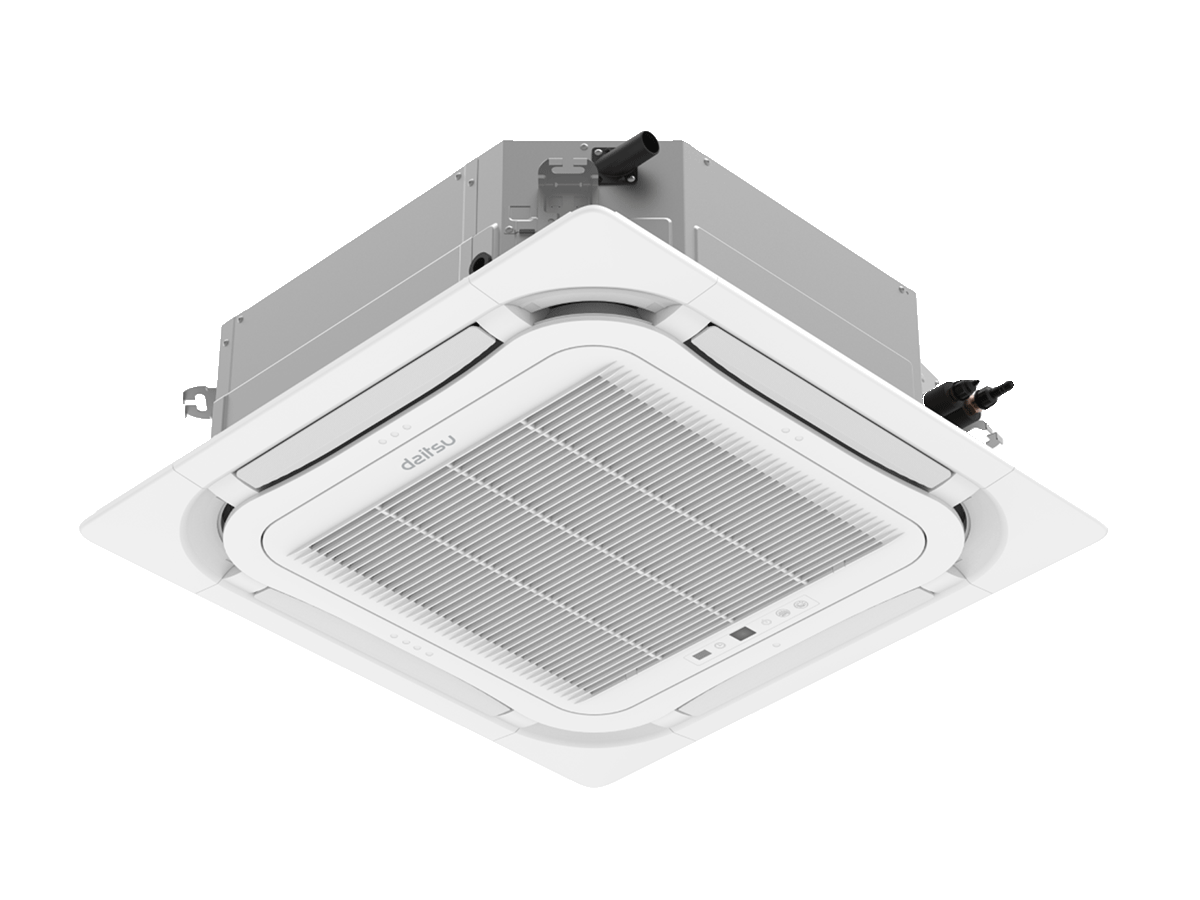
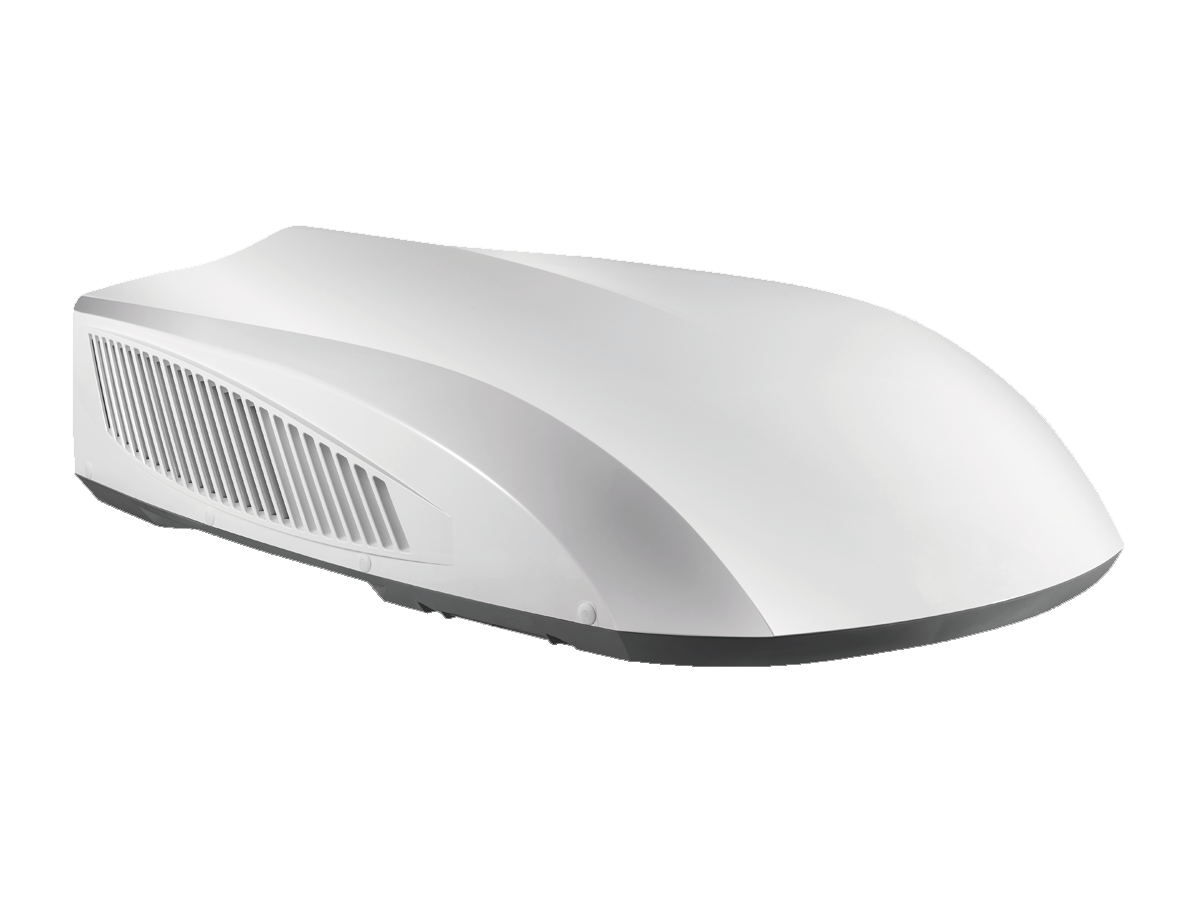
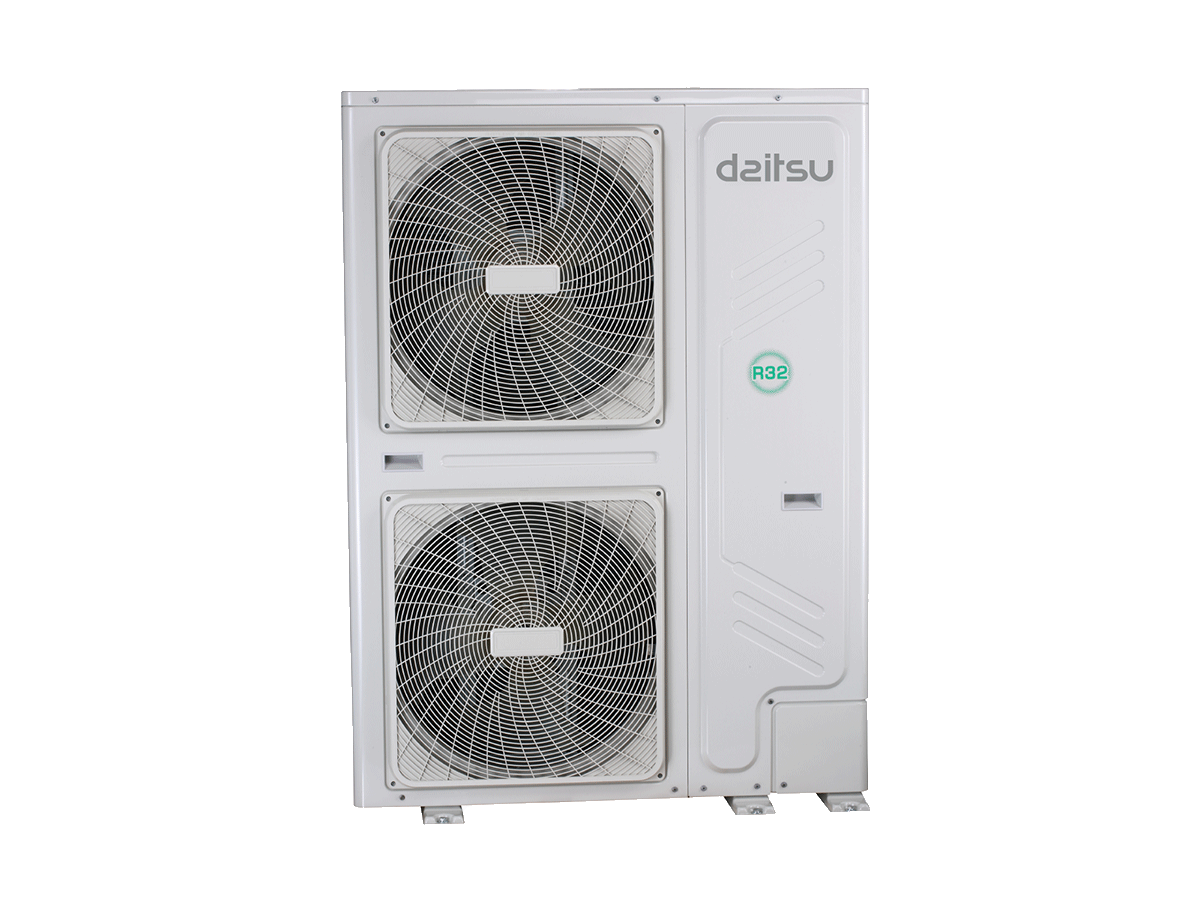
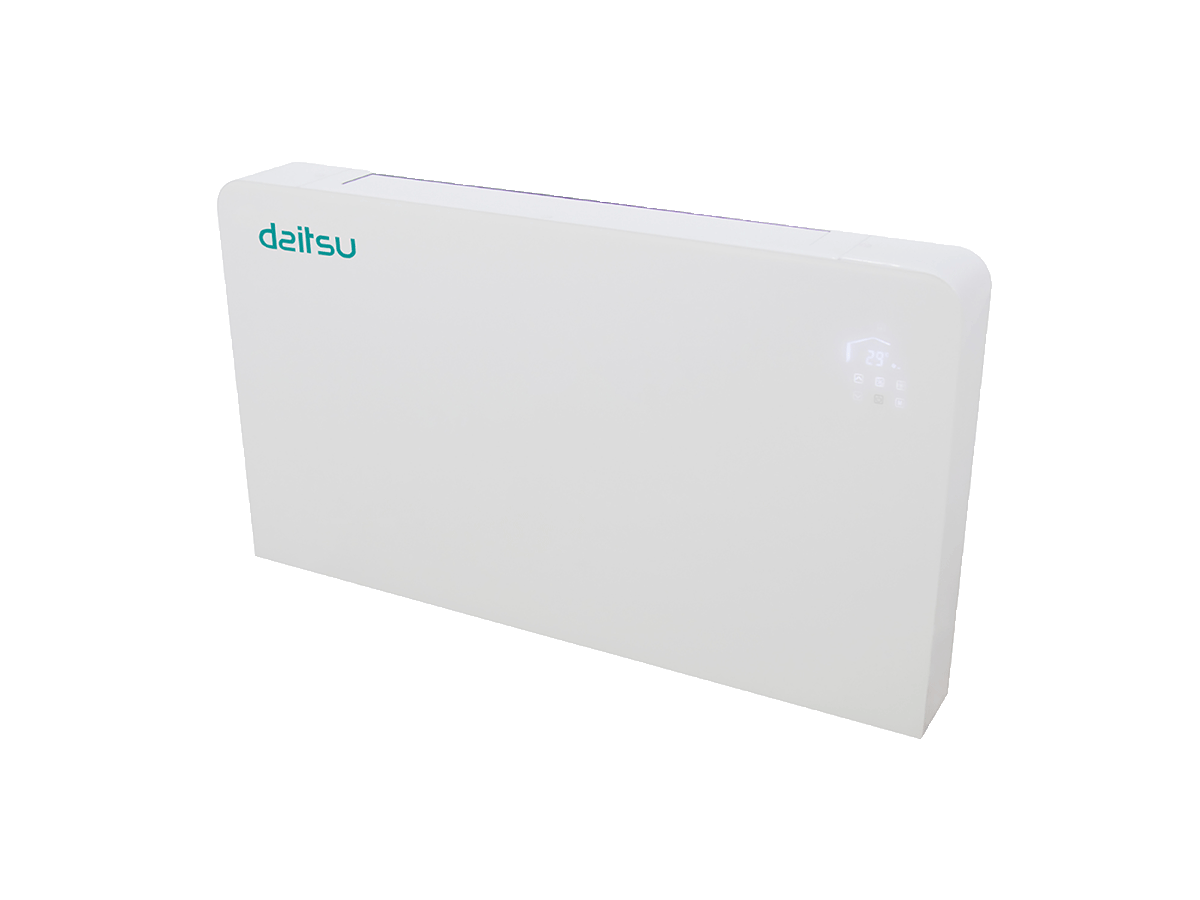
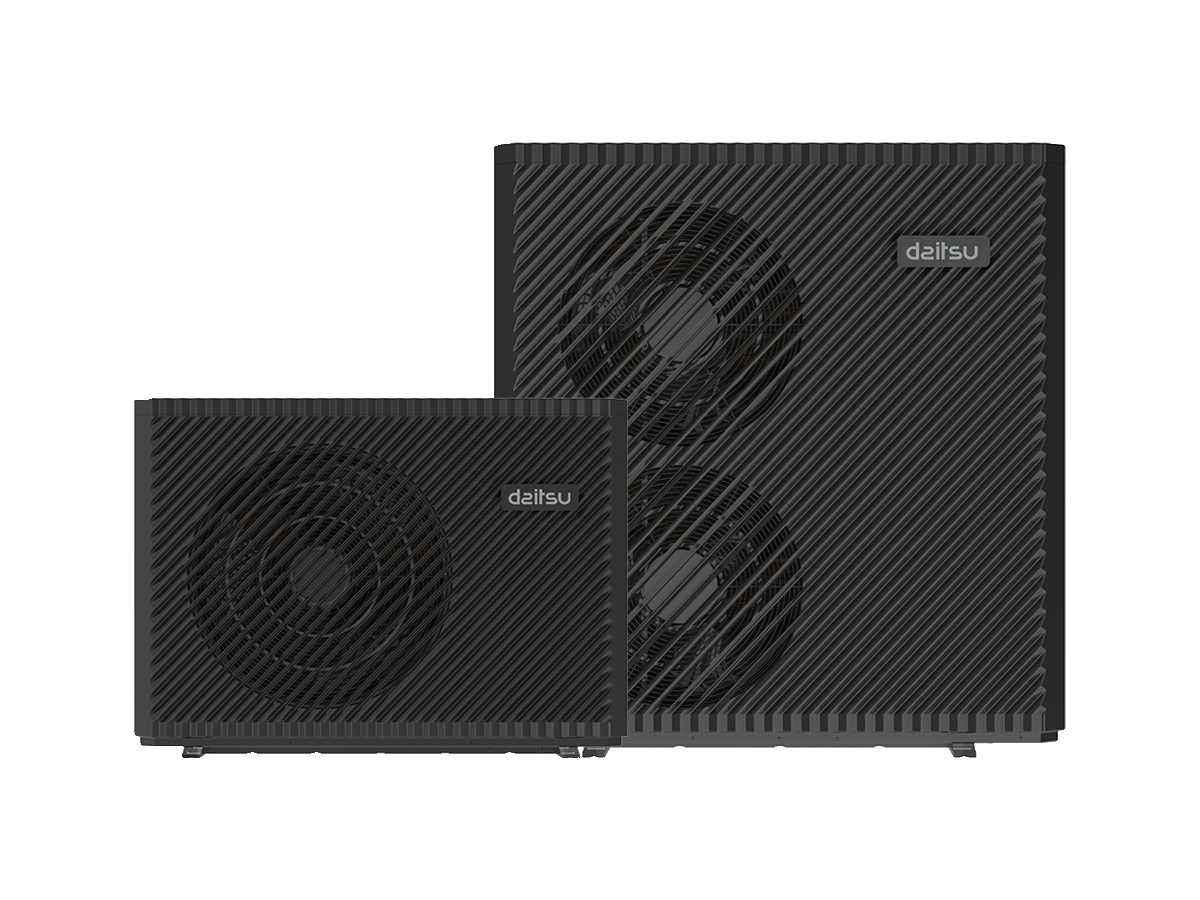
Switch to Air to Water
Heating, air conditioning
and hot water in a single system
HOW AIR TO WATER SYSTEMS WORK
An efficient system that will allow you to save up to 50% on your bill.
Imagine an innovative technology that extracts energy from the air around you and transfers it to your room or running water.
That technology exists and it’s called air to water. An integrated solution designed to provide heating in winter, air conditioning in summer and hot water all year round.
Less consumption
Its high efficiency translates into greater savings on your energy bill.
Less impact
Its clean and renewable energy does not generate harmful substances or pollutants.
Less hassle
It is easy to install and requires virtually no maintenance.
Less cost
In summer, you can even enjoy hot water for free.
What are the advantages?
Air to Water systems extract up to 80% of the energy they need from the air free of charge!
All this means for you a significant saving on your electricity bill thanks to its high energy efficiency and, for the environment, maximum respect due to the use of renewable energy.
Frequently Asked Questions
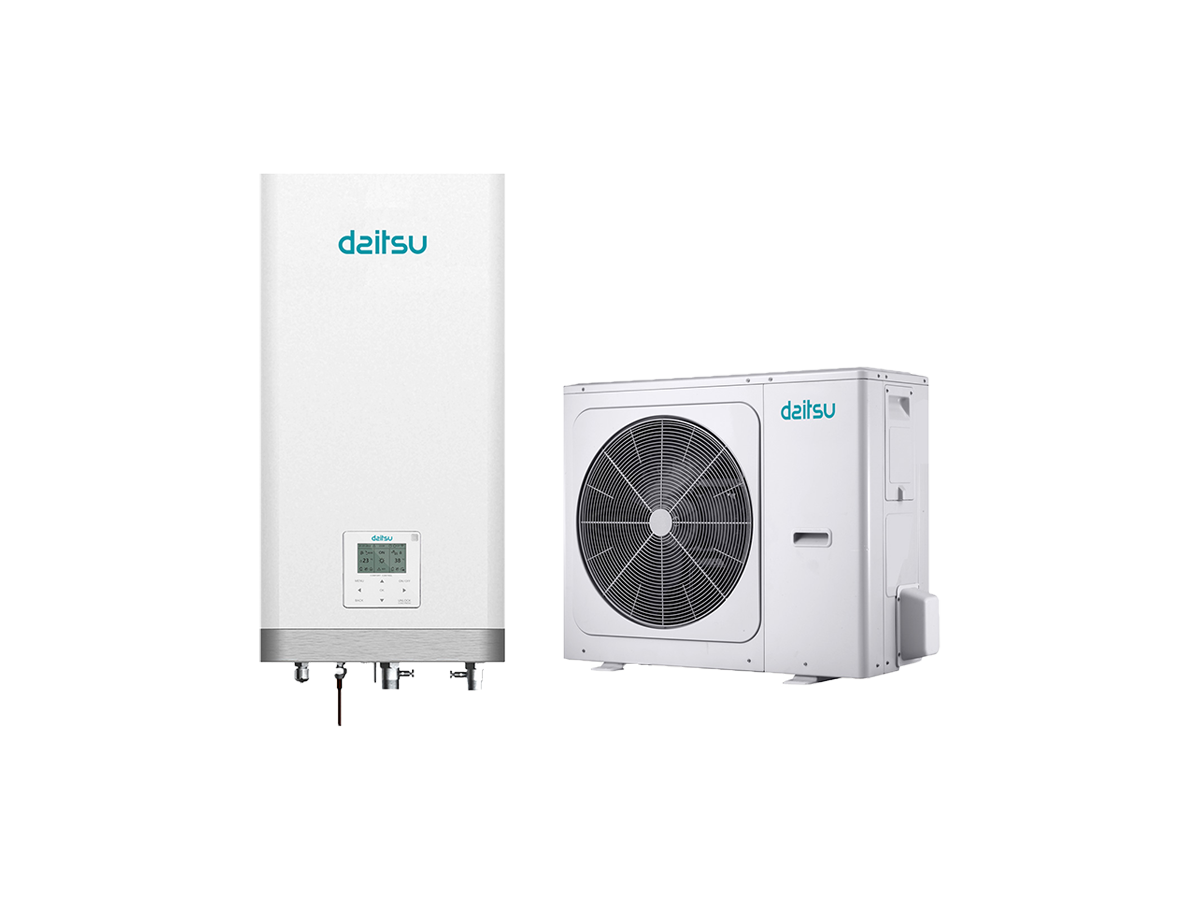
Yes, it is possible to change a gas boiler for an air to water system, thanks to the Monobloc Active range, the perfect solution for renovations and boiler renovation plans, where it is necessary to reach 70ºC of impulsion in heating to maintain the existing radiators and 65ºC of impulsion for DHW.
If you currently have a heating system with radiators, this solution means that you do not need to adapt or replace them, reducing the installation cost. In addition, it is an outdoor unit only, so if you have the boiler indoors – whether in the kitchen or elsewhere, you will gain that space.
The Monobloc Active is a compact unit that is easy for professionals to install, as no refrigerant connections are required, reducing installation complexity and costs. Equally, before making any changes, it is essential that a specialist heating and air conditioning technician assesses your home to determine whether it is a viable option and what power output would be most suitable for your needs.
In summary, replacing a gas boiler with a fan heater is a feasible option and can be an excellent way to reduce energy consumption and greenhouse gas emissions.
Installing an air to water system will generally require some modifications to the home, but these may vary depending on the type of system you choose and the current configuration of your home. Here are some considerations on the possible works that might be necessary:
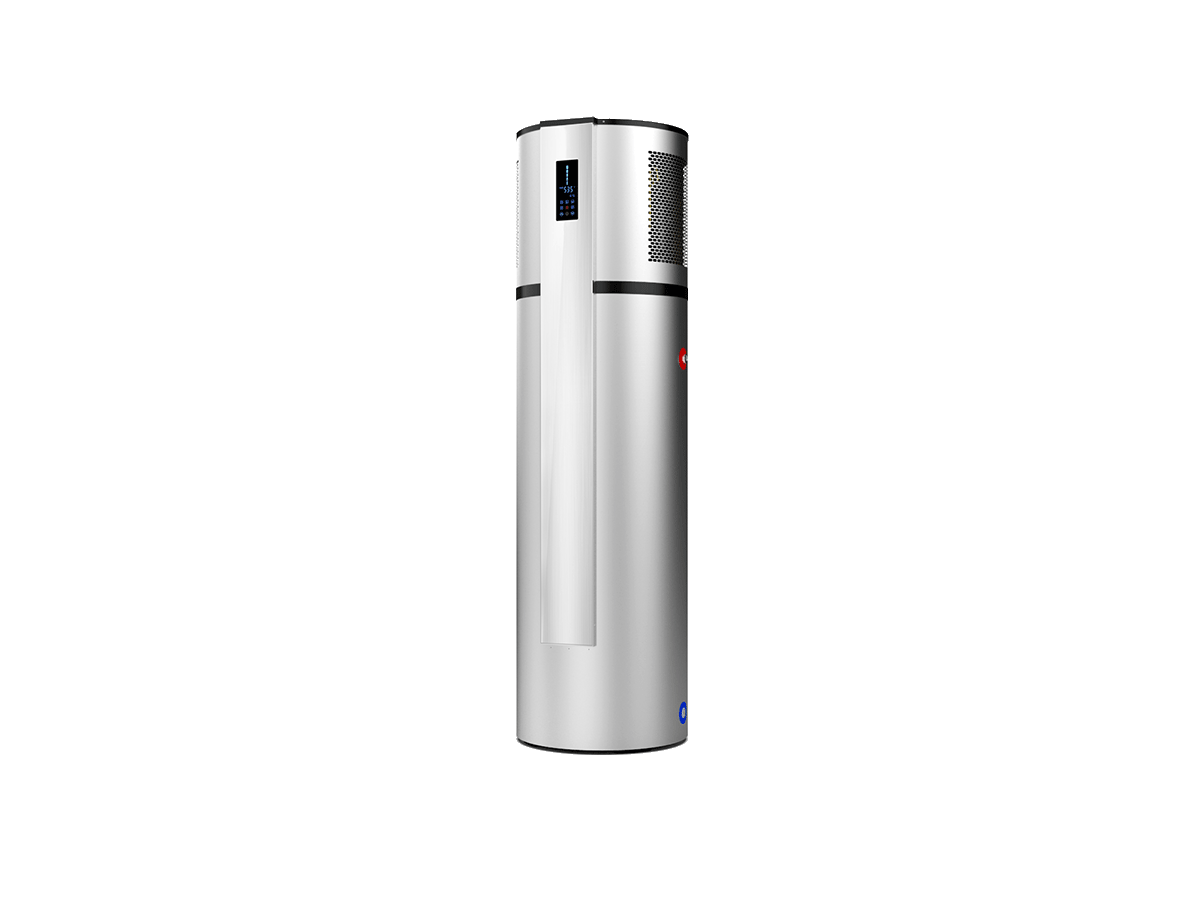
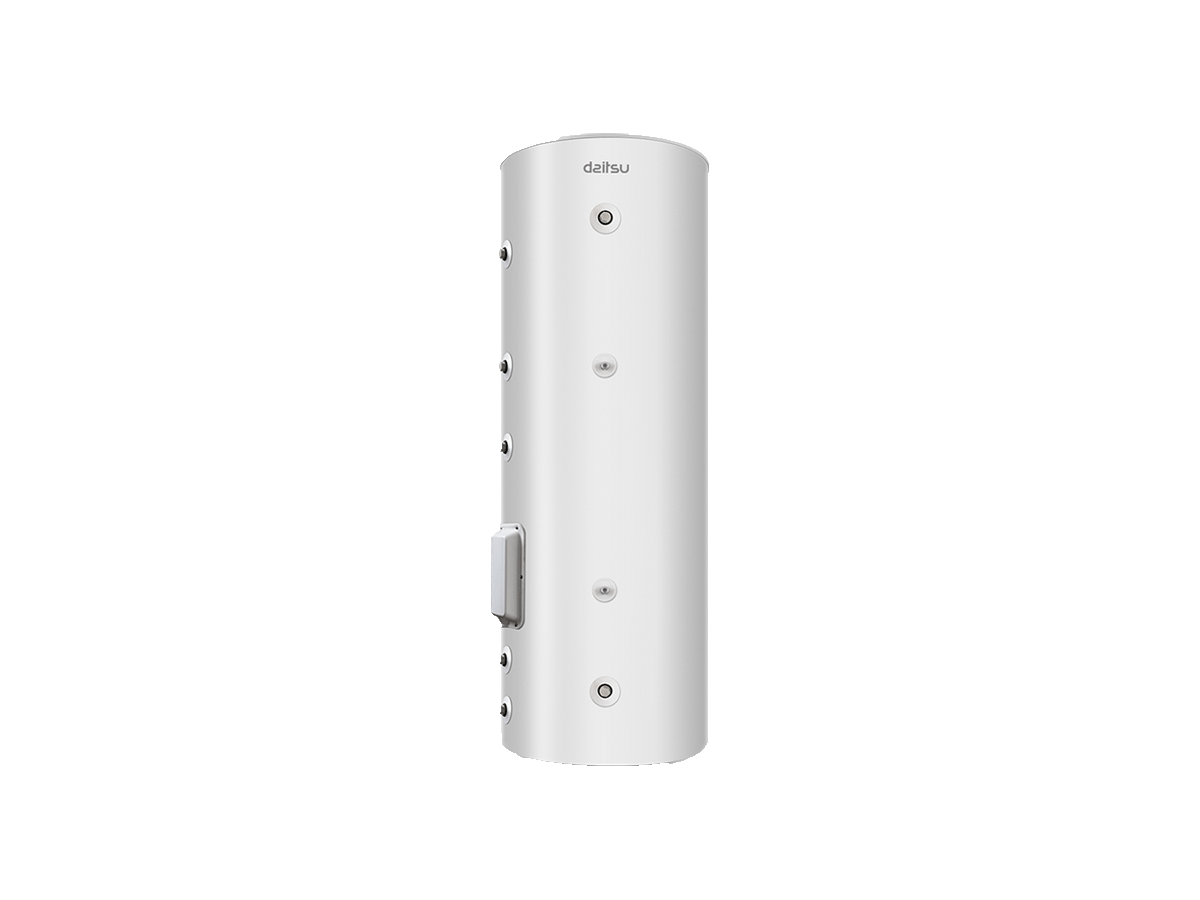
Compact units for DHW production: In this case the Heatank V4 fan heater range runs on electricity, so you will only need an electrical connection to power the heat pump where it is installed.
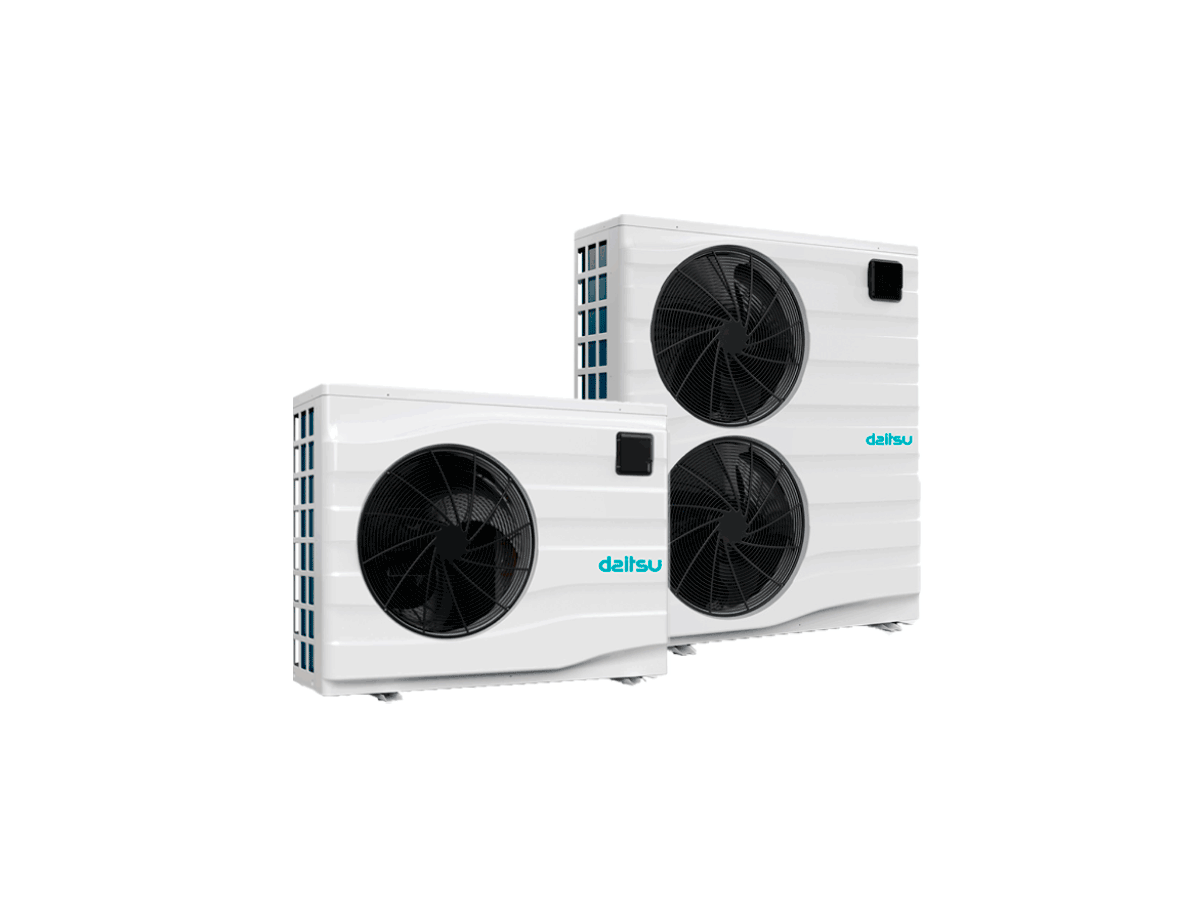
Monobloc or split units: This type of fan heater requires an outdoor unit that is usually installed in an accessible place outside the house, such as an outside wall or roof. Therefore, you will need a suitable and safe space to place it. Depending on the space, you can install Urban II, Space II or Monobloc units.
Piping and connections: If you already have an existing installation, you may be able to use it without any work; otherwise, you may need to install new pipes and connections for the refrigerant and water circulating between the outdoor unit and the indoor unit (radiators or underfloor heating). This may involve plumbing work.
Indoor unit: If your current heating system uses radiators, it is not necessary to replace them as it is compatible with the Monobloc Active fan heater system. If you have underfloor heating or fan coils, it would not be necessary to replace them either, as the system is probably compatible without major modifications. Finally, if the installation is new, it will require a complete installation.
In summary, it is likely that you will need to carry out some works and adjustments to your home in order to install an air to water system. The extent of the works will depend on the current characteristics of your home and the type of air to water system you wish to install. To ensure a successful installation, it is advisable to seek the advice of professionals specialized in air to water energy, who will be able to assess your home and offer you the best solution adapted to your needs.
Yes, thanks to the Monobloc Active range, you can keep your current radiators when you change your boiler for an air to water system. This range allows you to reach 70ºC of impulsion in heating to maintain the existing radiators and 65ºC of impulsion for DHW, therefore, it is totally compatible as it depends mainly on two factors:
- The working temperature of the traditional radiators is designed to operate at a supply temperature between 60°C and 80°C.
- The output of the heat pump must be in line with the heating demand of your home, which in turn is determined by the size and number of radiators you have.
Yes, it is possible to install an air to water system in a flat. The most relevant considerations to take into account are to have a suitable space for the unit (indoor/outdoor) and to be advised by a professional, who will be the one to recommend the solution that best suits your home, either by the distribution of the space or the sizing of the equipment.
The maintenance cost of an air to water installation is practically zero, as the equipment has a long life and very few incidents. However, as we are talking about comfort in the home, air conditioning and hot water, it is advisable to carry out annual maintenance to ensure optimum performance and prolong the useful life of the equipment.
Yes, installing an air to water system can improve the energy classification of your home. Air to Water heating and cooling is a highly efficient heating and cooling technology that uses energy from the outside air to generate heat or cold inside the home. Due to its high level of efficiency, air to water is often associated with a higher energy rating due to its high performance compared to traditional systems such as gas boilers or conventional electric systems.
The energy rating of a house is based on several factors, such as annual energy consumption, CO2 emissions and the performance of the heating, cooling and domestic hot water production systems. By installing an air to water system, it is likely to significantly reduce energy consumption, helping to increase the efficiency of the home. In addition, air to water energy is a renewable and clean energy source, which contributes to a decrease in CO2 emissions, favouring a more favourable energy classification and less impact on the environment.
Yes, air to water energy is compatible with solar panels, and in fact, combining both technologies can be an excellent option to obtain a more sustainable and efficient energy solution, reducing electricity consumption costs in the home. Moreover, in some regions, incentives and subsidies are available to promote the installation of renewable energy systems, which could make the combination of air to water and solar panels even more attractive.
Thanks to the multi-tasking Space II and Urban II ranges, you can make this combination with total security and control as they have the SmartGrid seal, which can integrate both systems in a way that ensures a sustainable and efficient energy system, with low losses and high levels of quality and security of supply.
Yes, it is possible to use both heating or cooling to acclimatise the indoor environment and domestic hot water simultaneously or independently. Daitsu air to water systems are designed to offer an integrated solution providing maximum comfort in all cases.
When the air to water system is working in heating or cooling mode, it can also produce domestic hot water simultaneously, provided that the equipment is adequately sized to meet both demands. This is because hot water production is an inherent function of the fan heater, and the equipment can adjust its operation to provide hot water at any time, even during periods when it is providing heating or cooling. Likewise, by default, DHW production will always take priority over air conditioning.
Contrary to what you might think, separating the heating and cooling system (climate) from the domestic hot water system (DHW) is not a great advantage if we take into account the benefits of mixed compact systems (climate and DHW). From Daitsu we present you some of the main advantages:
- Space saving: Having both systems integrated in a single unit makes better use of the available space in the home. This can be especially beneficial in homes with small spaces, where the separation of systems may require more space to house individual equipment.
- Synchronisation of systems: By keeping systems unified, it is possible to achieve better synchronisation between heating and cooling with hot water production. This could allow for more efficient operation and more optimal energy management, avoiding overlaps or unnecessary duplication of work.
- Lower noise: By having a single air to water system for heating, cooling and DHW, the overall noise level is likely to be lower compared to installing several individual units for each function.
- Increased energy efficiency: Modern fan heat systems are designed to maximise energy efficiency, and some models integrate intelligent functions that optimise energy use based on demand and climatic conditions. By keeping the systems integrated, better energy utilisation and overall efficiency can be achieved.
- Ease of control: An integrated system can provide a simpler and more unified control experience by allowing both to be controlled from a single point, making it easier to operate.
- Increased comfort: With an integrated system, it is possible to achieve a more even distribution of heat and cooling throughout the home, which could provide greater comfort and convenience in the home.
It is important to bear in mind that both integration and separation of systems have their pros and cons, and the right choice will depend on individual needs and preferences, as well as the specific characteristics of each home. Before making a decision, it is advisable to consult a professional, who will be able to provide you with the solution that best suits your situation.
Yes, it is possible to use air to water energy only for heating and cooling your home, without including the production of domestic hot water (DHW). Just as, on the contrary, there are air to water systems designed specifically for the production of DHW, without taking into account the production of air conditioning.
Opting for a Daitsu fan heater offers numerous benefits for your home.
- Energy efficiency: Daitsu fan heat systems are highly energy efficient, which can help reduce electricity consumption and save on energy bills.
- Advanced technology: Daitsu fan heaters use state-of-the-art technology and low-GWP refrigerant gases to provide optimal performance and increased comfort in the home.
- Renewable energy source: Daitsu’s fan heat uses energy from outside air, a renewable and environmentally friendly source, helping to reduce carbon emissions.
- Heating and cooling systems: Daitsu air to water equipment can provide both heating and cooling, allowing you to maintain a comfortable temperature all year round and saving your pocket.
- Easy installation: Daitsu’s air to water systems are designed for easy installation and integration into different types of homes or commercial applications.
- Wide range of models: Daitsu offers a wide variety of models and capacities to suit the needs of each home or application, allowing for a customised solution.
The average lifetime of Daitsu fan heat systems can vary depending on several factors, such as the specific model of equipment, proper maintenance, usage conditions and the environment in which it is installed. In general, Daitsu fan heaters are designed and manufactured to high quality standards, which enables them to have a long and reliable service life.
Under standard conditions and with proper maintenance, Daitsu fan heater systems are expected to have a service life of approximately 15 to 20 years or more. To ensure the durability and optimal performance of the fan heater system throughout its lifetime, regular and proper maintenance is recommended to detect and fix potential problems before they become major failures, which will extend the lifetime of the equipment.
The energy consumption of Daitsu fan heaters varies depending on the specific model and range, its capacity, the ambient temperature, the heating or cooling demand and the overall efficiency of the system. Generally speaking, however, Daitsu fan heat systems are known to be a highly energy efficient and energy efficient HVAC option.
By choosing air to water for air conditioning and/or DHW production, you are already selecting a low power consumption equipment compared to other technologies, so the consumption will always be lower.


 932 998 331,
