
At Daitsu, we want you to have the best possible experience with our air conditioners. Today we will focus on the issue of consumption and savings, and to do so, choosing the right air conditioner power is essential to achieving a balance between electricity consumption, comfort and efficiency.
In this article, you will learn how to calculate the ideal power, discover the main factors that influence your choice and get tips for saving energy in your home or office.
The importance of choosing the right power rating
There are several reasons why it is worth taking the time to consider the advantages of knowing this information:
- Electricity consumption: Excessive power means unnecessarily high consumption; insufficient power will cause the equipment to work excessively, increasing energy expenditure.
- Thermal comfort: An air conditioner with the correct power maintains a stable temperature, without sudden variations or annoying noises.
- Efficiency: The ideal air conditioning power prevents operating peaks, extending the useful life of the appliance and optimising its performance.
How to calculate the ideal power
To determine how many kW you need, the following factors are usually taken into account:
- Size and shape of the room: The larger the surface area and volume, the more power will be required.
- Thermal insulation: Good insulation means less power is needed. Double-glazed windows and well-insulated walls help to retain the cold.
- External climate: In very hot areas or areas with long summers, it is advisable to slightly oversize the power.
- Number of occupants: Each person contributes heat to the environment. Logically, the more occupants there are, the more power is required.
Recommended power table according to m² (Quick guide BTU/kW)
Below is a guide table to help you determine your needs. As a reference, this table will help you identify approximately how many kW you need depending on the size of the room:
| Surface area (m²) | Approx. power (kW) | Equivalence (approx. BTU/h) |
| 10 – 15 | 2,2 – 2,4 | 7.500 – 8.200 |
| 15 – 20 | 2,5 – 2,8 | 8.500 – 9.500 |
| 20 – 25 | 3,0 – 3,3 | 10.200 – 11.300 |
| 25 – 30 | 3,5 – 3,8 | 11.900 – 13.000 |
| 30 – 40 | 4,0 – 4,5 | 13.600 – 15.300 |
Remember that these are general estimates, which need to be adjusted depending on other factors. For example, if you have very high ceilings, if you live in areas with extreme weather conditions, or if your home’s insulation is not optimal.
Types of air conditioners and their consumption
If you browse our air conditioner catalogue, you will see that we have different types of models. Depending on your circumstances and situation, you may be more interested in one type than another.
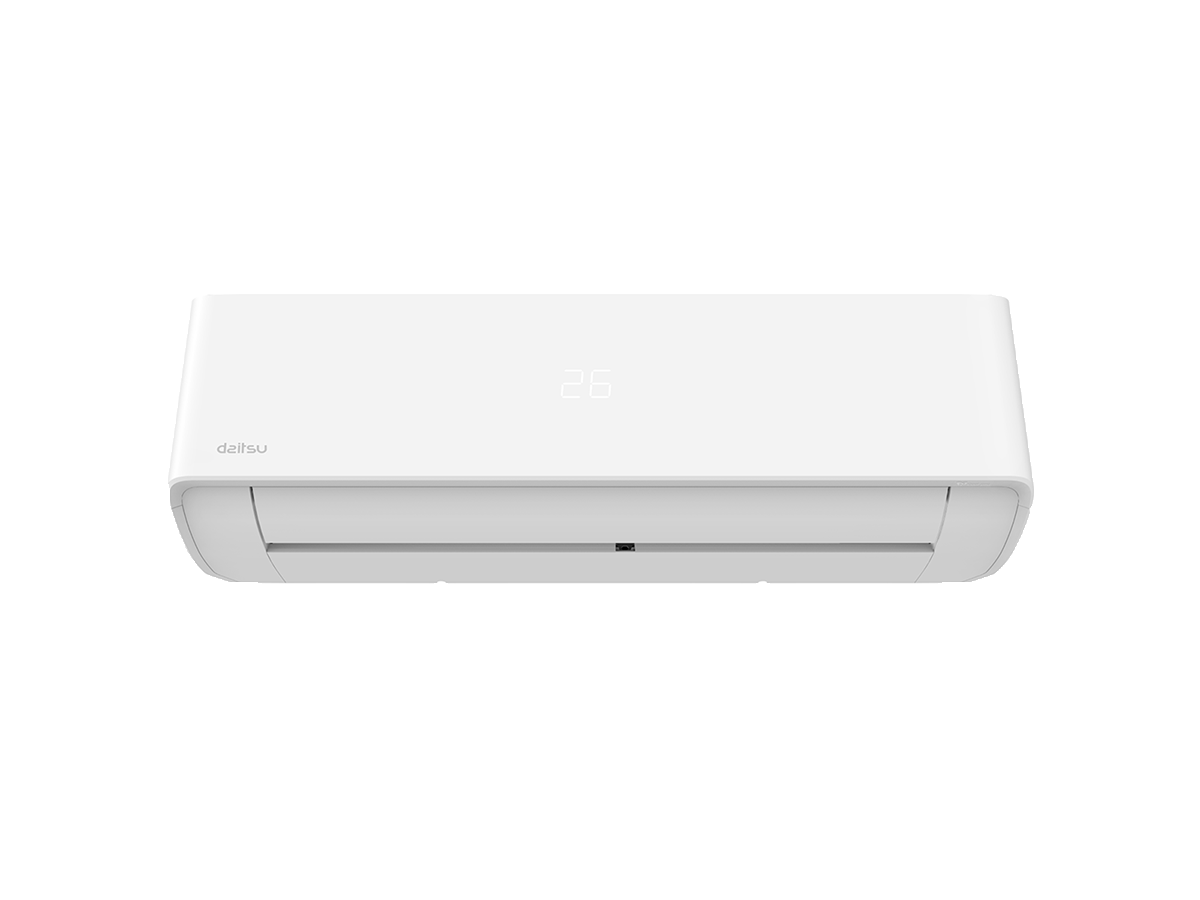
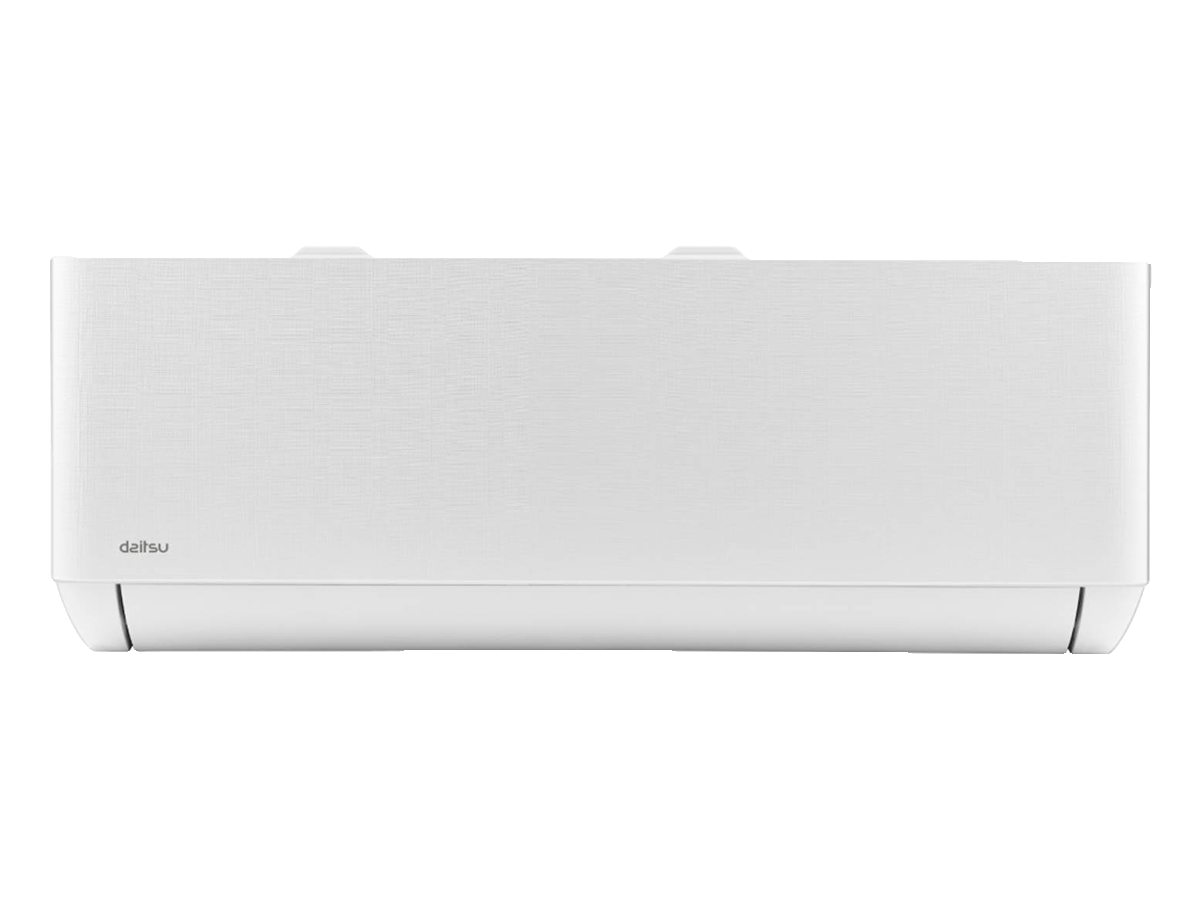
- Split: The most common type in homes; offers a good balance between consumption and efficiency. Remember that all our models are inverter models, which means they adapt their power to demand, reducing consumption peaks.
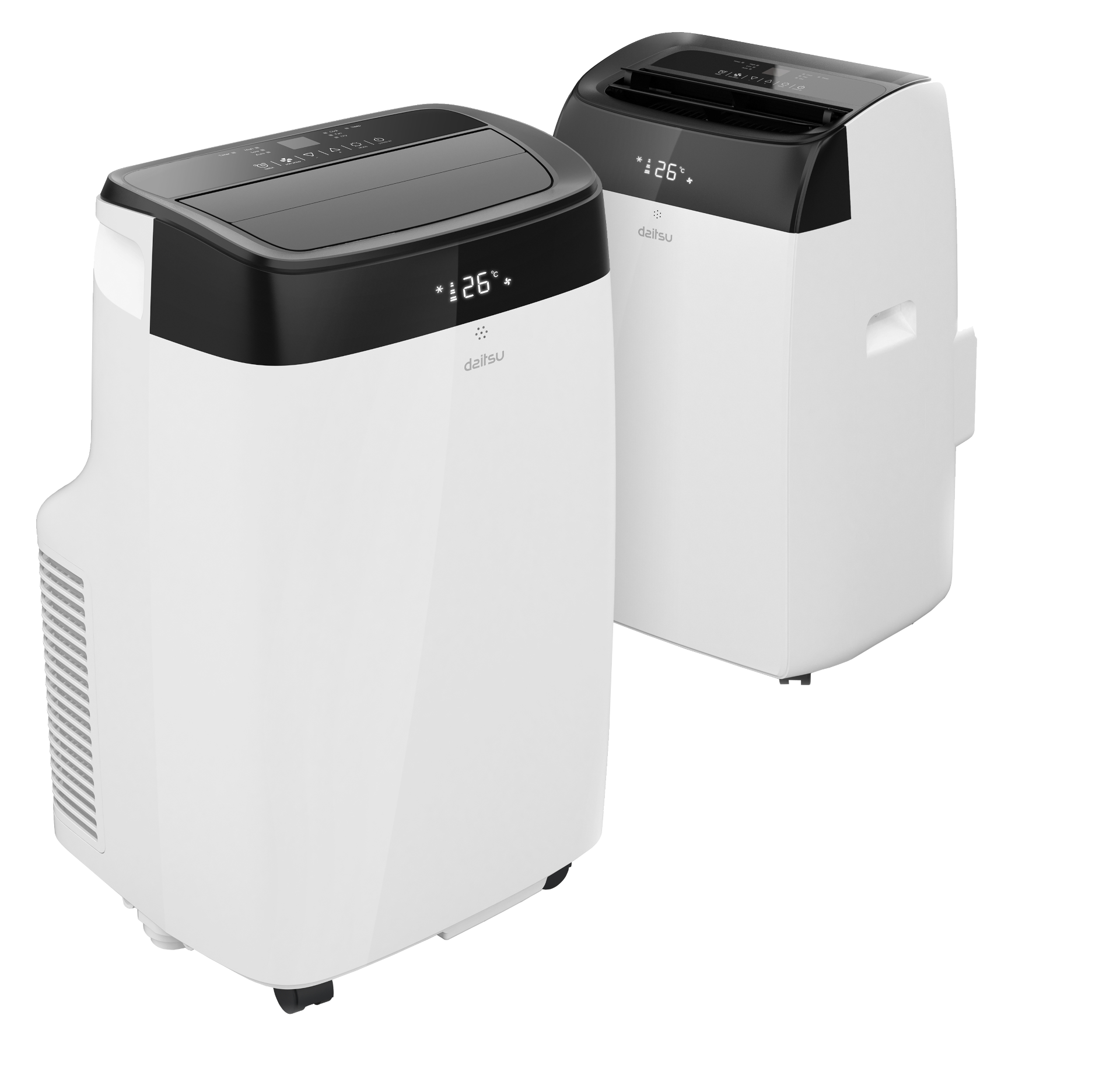
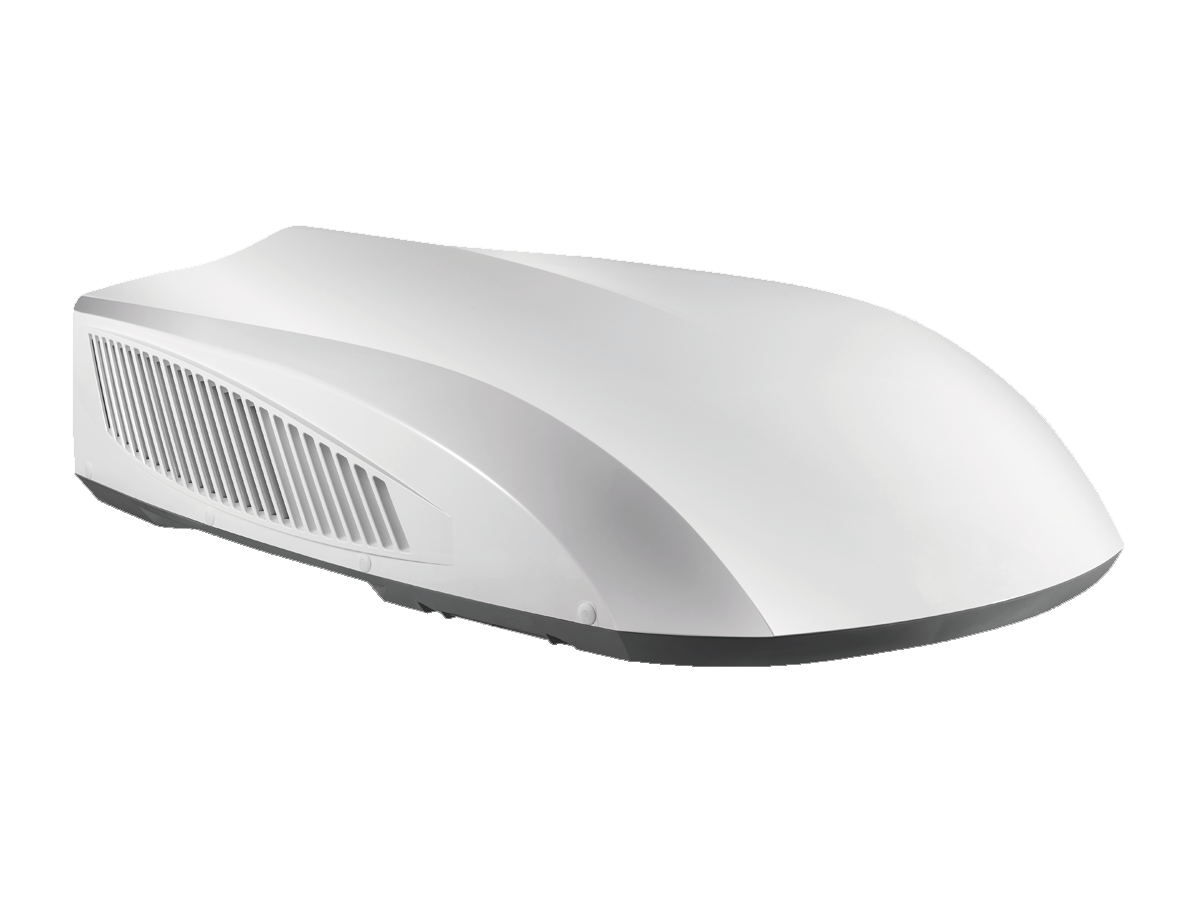
- Portable: Ideal for small spaces and changes of location. However, they tend to consume more and be less efficient.
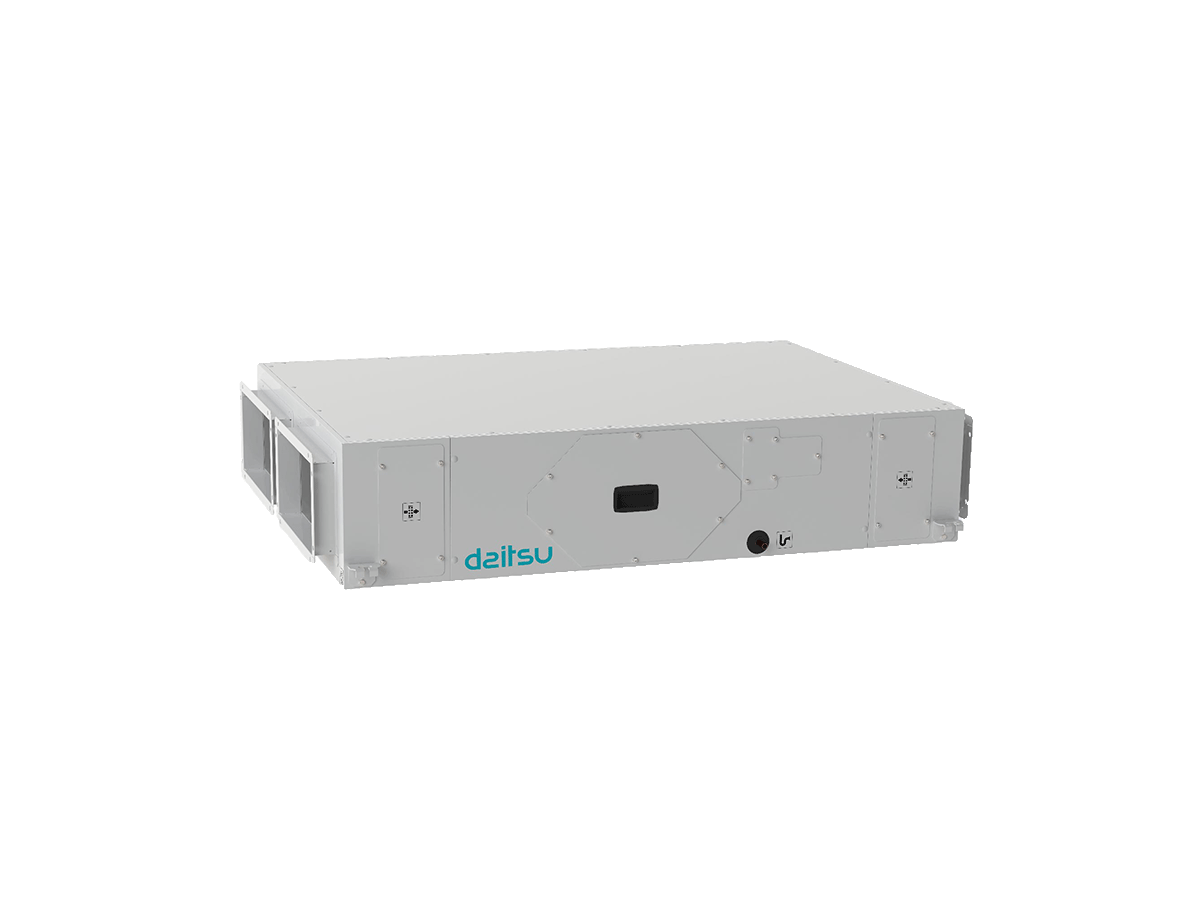
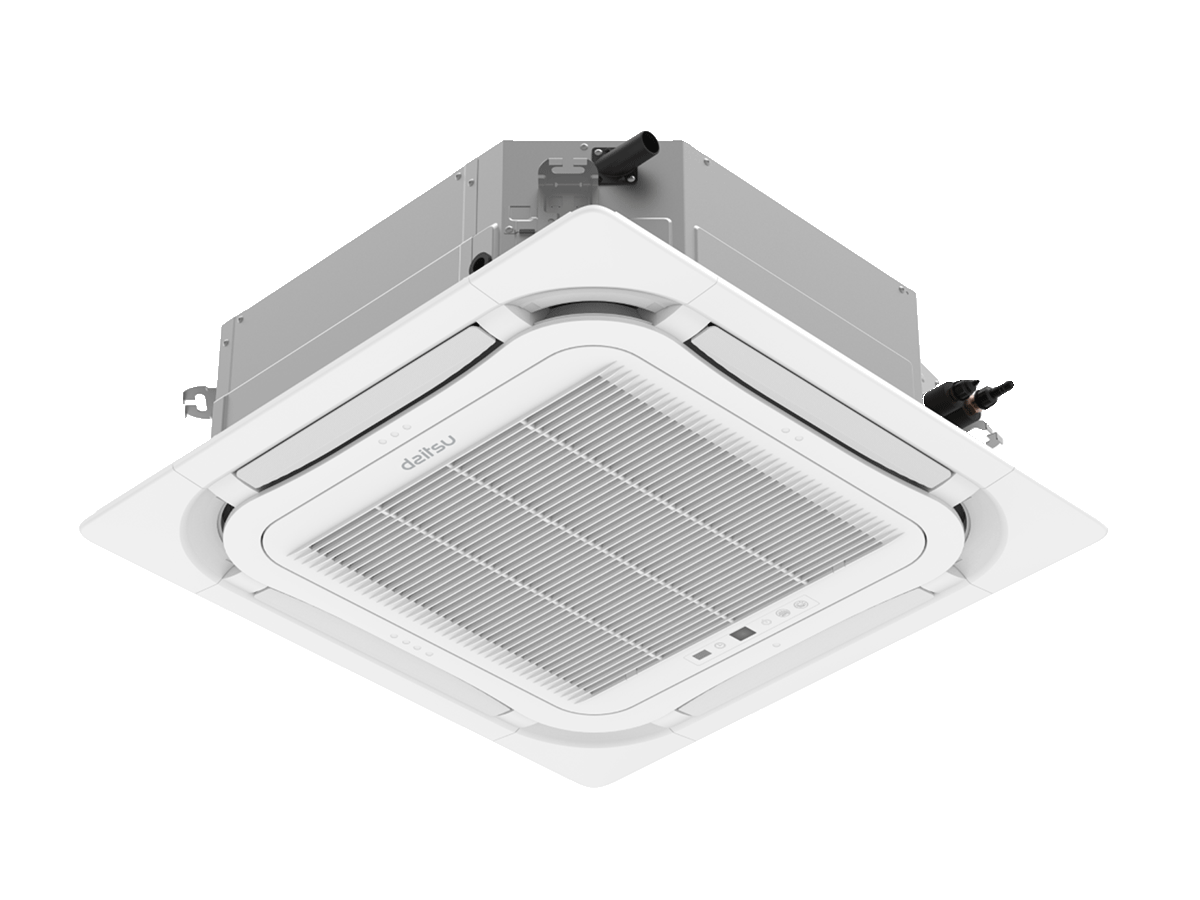
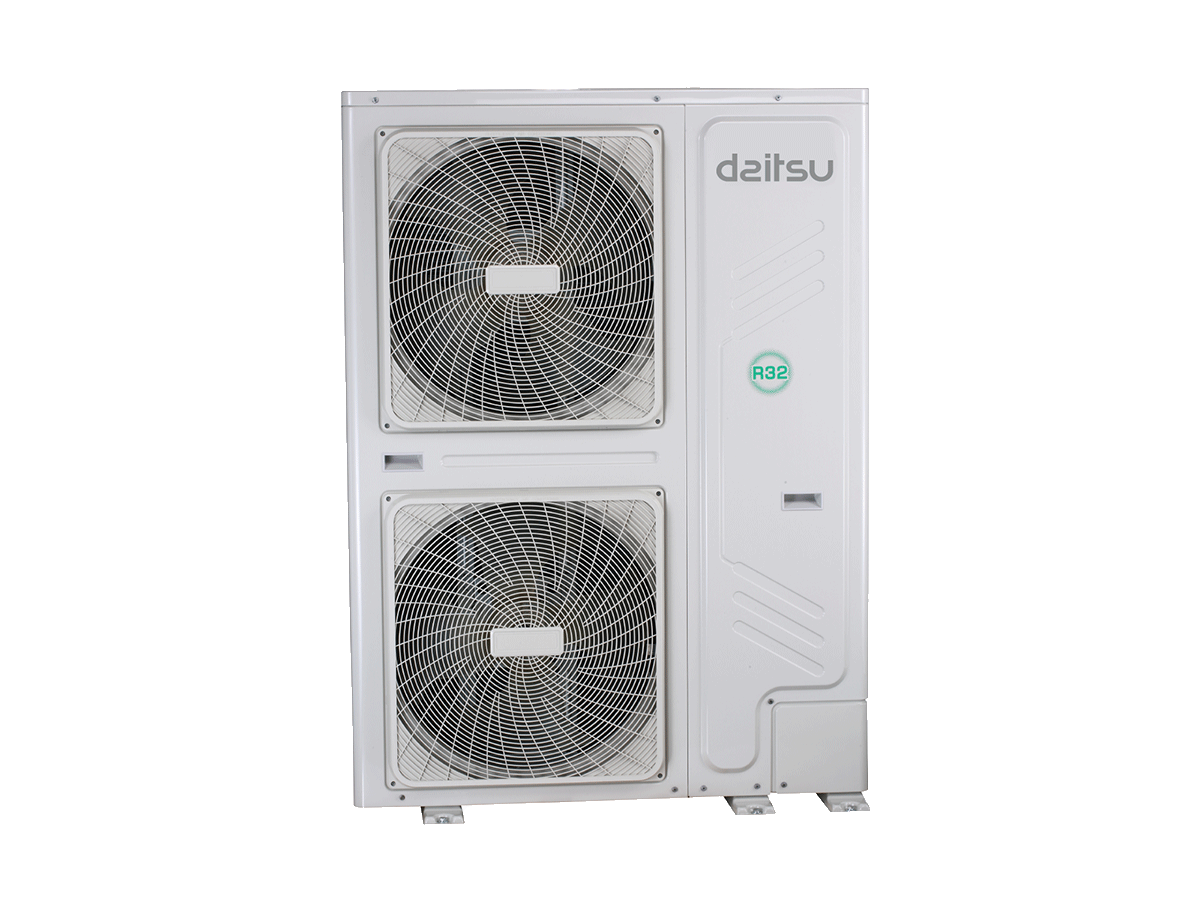
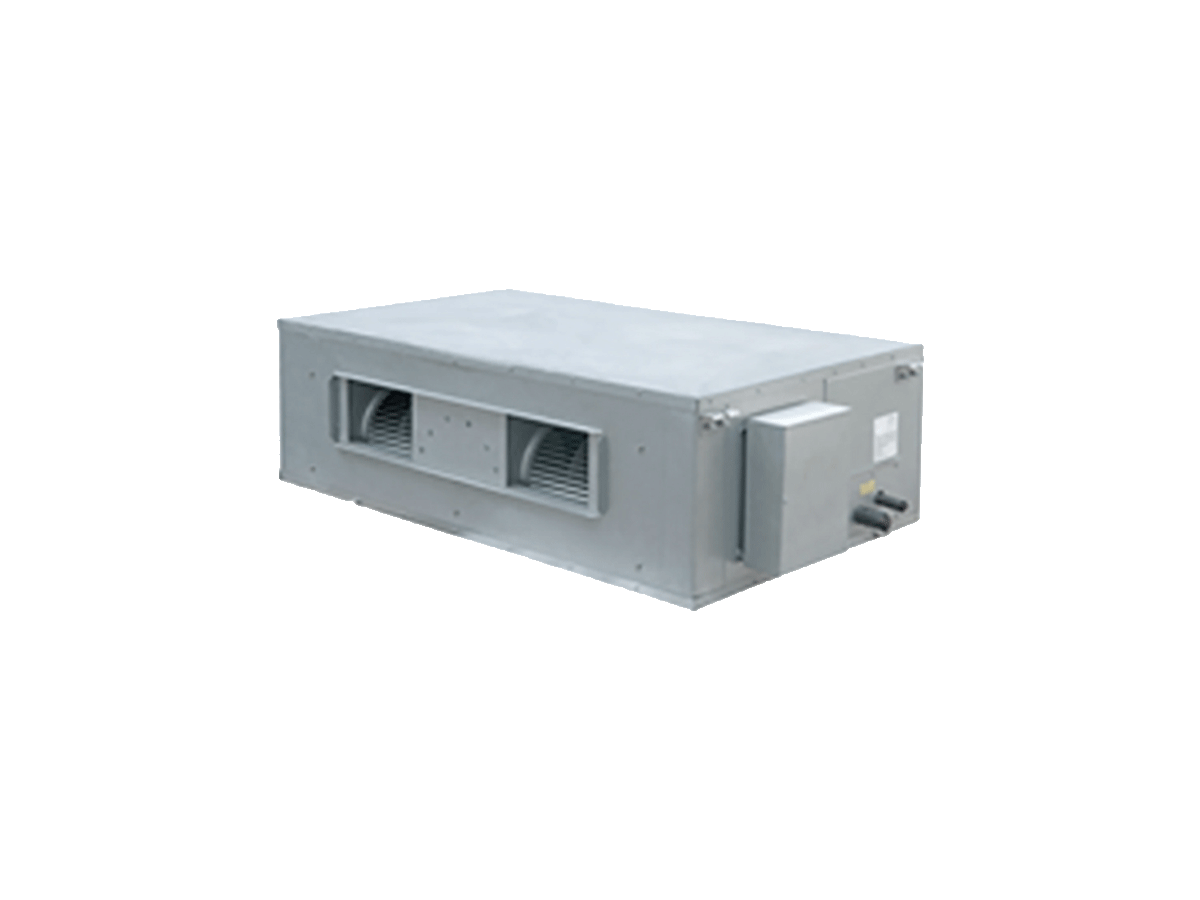
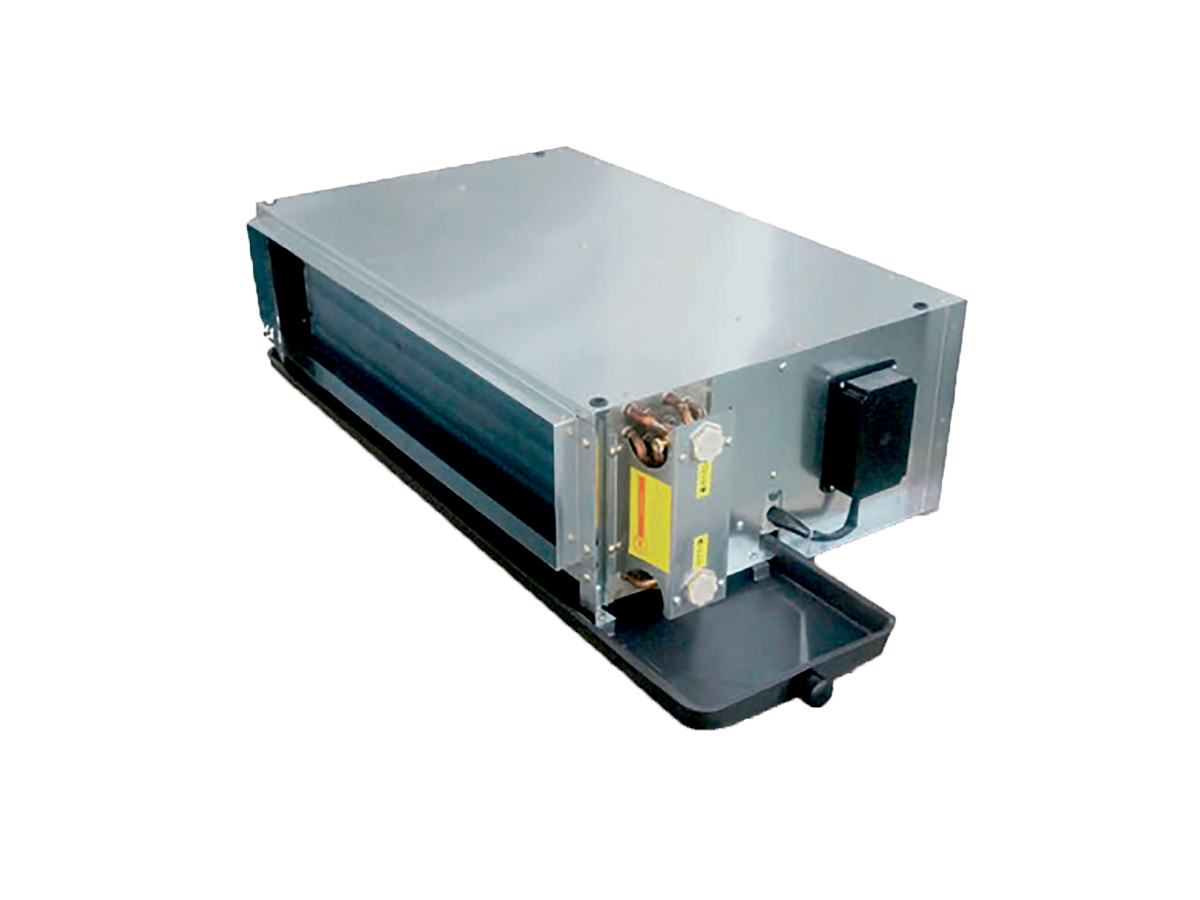
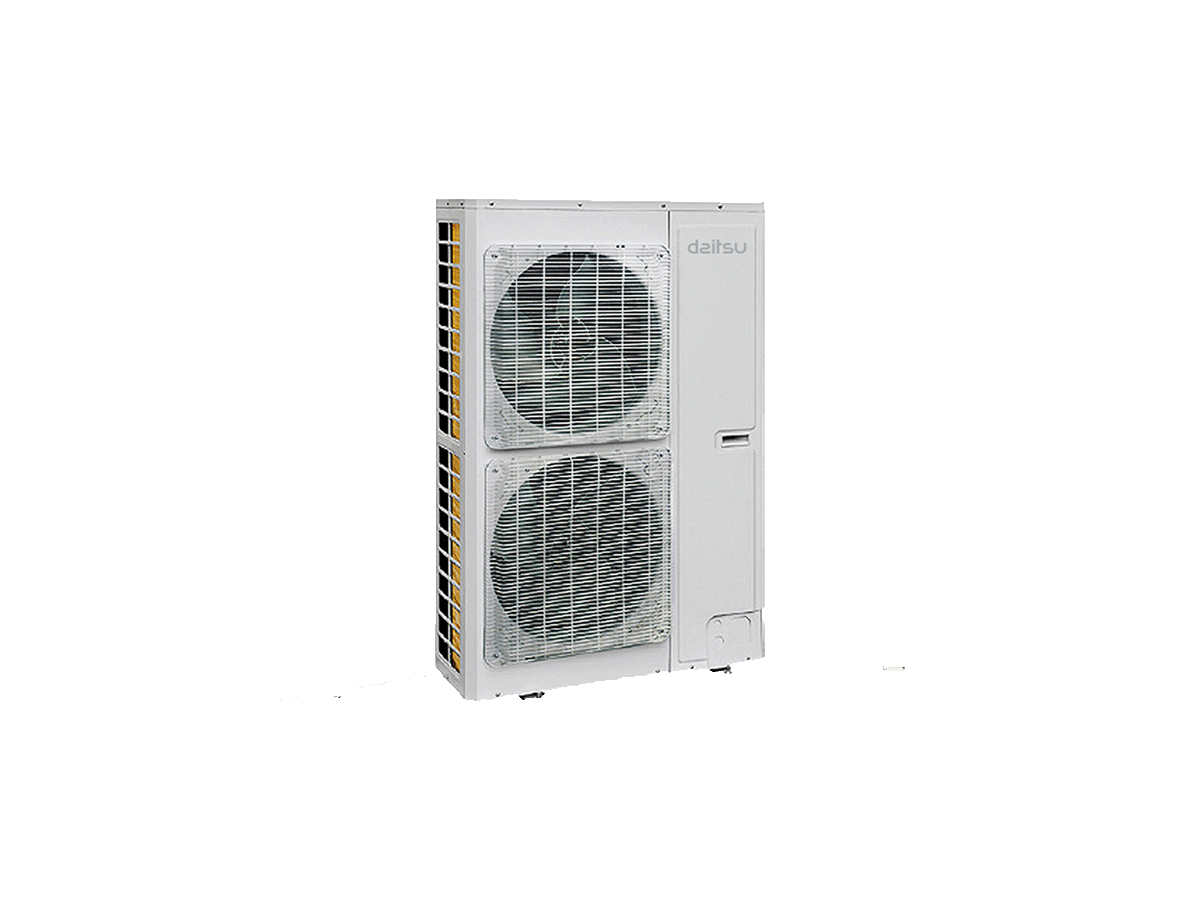
- Centralised: Suitable for several rooms or large areas. Higher initial investment, but with better air distribution.
Tips for improving energy efficiency
Now, let’s move on to another important factor: energy efficiency. By taking this into account, you can further optimise your consumption.
- Use the thermostat properly: Setting the temperature to around 24-25 °C in summer and 20-21 °C in winter helps to save significantly.
- Regular maintenance: Cleaning or changing filters and checking the refrigerant gas improves the efficiency of the equipment.
- Smart ventilation: Ventilating during the coolest hours and sealing the room during the hottest hours reduces the workload of the air conditioner.
- Good location of the split: Install it away from heat sources (windows with direct sunlight, ovens) and in a position that facilitates air circulation.
Some energy-efficient Daitsu models that may interest you
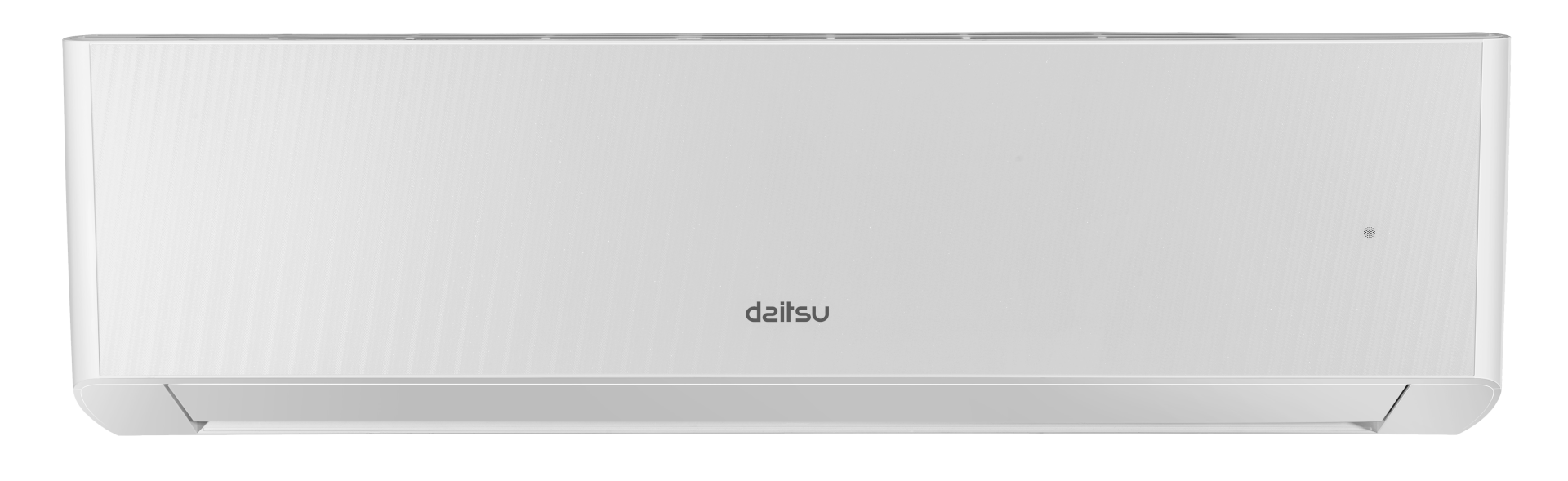
Split Artic Plus: An A+++ unit offering high performance and maximum energy savings thanks to inverter technology and its use of low GWP R32 gas. Key features include ease of programming and a built-in Wi-Fi module for controlling the unit via an app.
Split Artic: The Daitsu Artic (A++) range is characterised by high performance and maximum energy savings thanks to inverter technology and its operation with low GWP R32 gas. Among its main features are ease of programming and a built-in Wi-Fi module as standard for controlling the unit via an app.
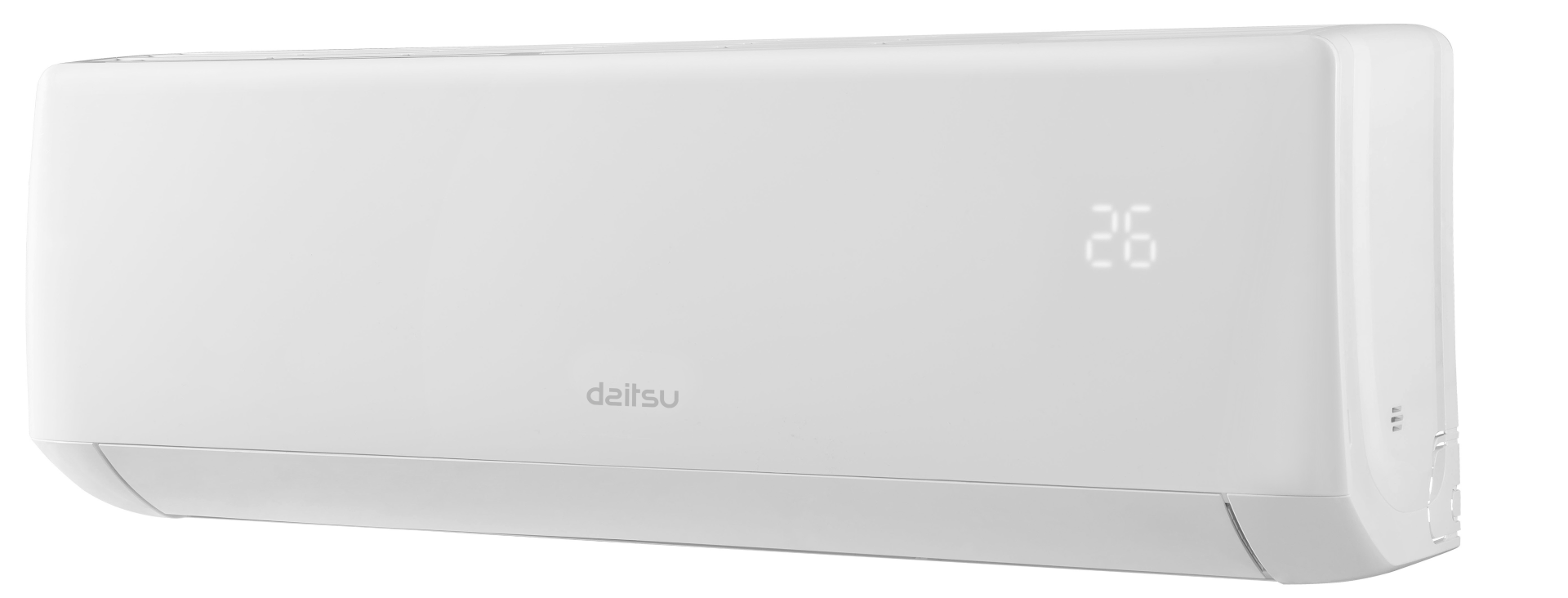
Cool Pro: The Daitsu Cool Pro wall-mounted split range features an elegant and compact design with soft lines that blends easily into any type of environment.
Conclusion
As we have seen, the right air conditioning power is mainly determined by the size of the room, thermal insulation and climatic conditions. Before buying, it is worth calculating how many kW you need to ensure optimal performance, thus avoiding excessive consumption and ultimately maximising your comfort.
To achieve real energy savings, maintain a moderate temperature range and perform frequent maintenance. With these steps, your air conditioner will be more efficient, durable, and environmentally friendly.
Final tip: Invest time in analysing your specific needs and comparing different models and technologies. This will help you achieve the best balance between cost, efficiency, and comfort.



 932 998 331,
