
With the arrival of hot weather, air conditioning goes from being a luxury to a necessity in many homes. However, along with the relief it provides, a common concern arises: the impact on the electricity bill. The question ‘How much electricity does an air conditioner consume when left on all day?’ is one of the most frequently asked, and the answer, although not a single number, is easier to understand than it seems.
The reality is that not all appliances consume the same amount of energy. Energy consumption depends on a combination of factors, from the technology of the appliance itself to usage habits and the conditions of our home.
In this article, we will break down the key elements that determine consumption and give you the tools to not only calculate an estimate, but also to significantly reduce it, especially with the help of advanced technologies such as those incorporated into Daitsu appliances.
Key Factors That Determine Your Air Conditioner's Energy Consumption
Before attempting to calculate energy consumption, it is essential to understand what influences it:
- Equipment Power (kW and BTUs): The cooling capacity of an air conditioner is measured in BTUs or kilowatts (kW). A more powerful unit, designed for larger rooms, will consume more energy than a smaller one. It is crucial to choose a unit with the right power for the size of the room.
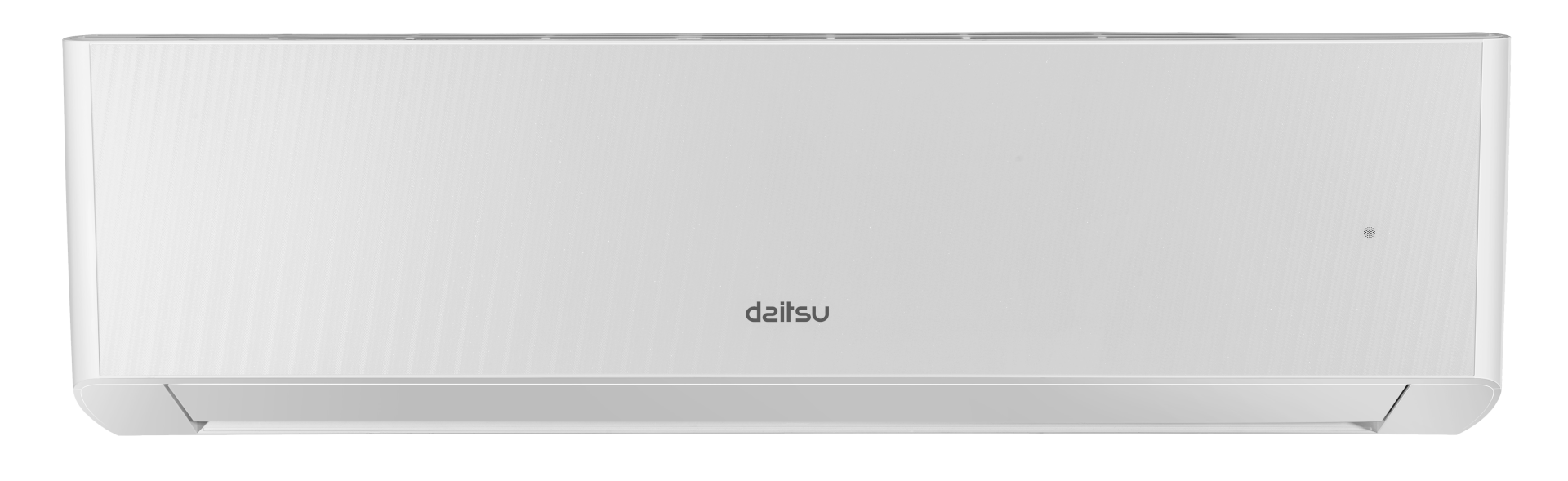
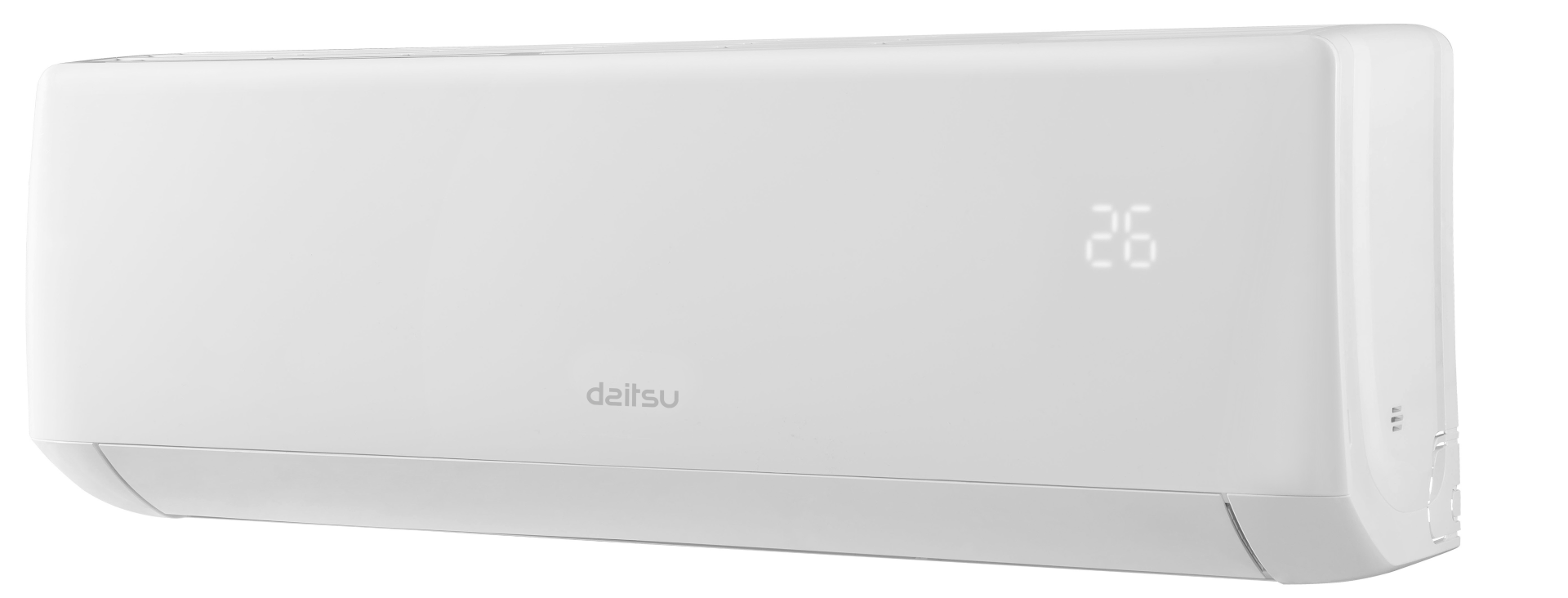
- Energy Efficiency (Energy Label – SEER/SCOP): This is perhaps the most important variable. The energy label (ranging from G to A+++) indicates how efficient the equipment is. An air conditioner with an A++ rating, such as the Artic model, or A+++, such as the Artic Plus from Daitsu, consumes significantly less electricity to produce the same amount of cooling as a less efficient model.
- Inverter technology: This is the big turning point! Old air conditioners (on/off) operated at maximum power until the desired temperature was reached and then turned off, repeating this cycle of starts and stops that generates consumption peaks. In contrast, Inverter technology, standard in all Daitsu units, allows the compressor to continuously regulate its speed. Once the desired temperature is reached, it operates at minimum power to maintain it, avoiding peaks and reducing consumption by up to 30-50%.
- Outdoor and indoor temperature: The greater the difference between the outdoor temperature and the desired indoor temperature, the harder the equipment will have to work and, therefore, the more energy it will consume.
- Home Insulation: A well-insulated room (double-glazed windows, no air leaks, blinds down during the sunniest hours) will retain the cool air much better, making the air conditioning work less.
Calculating consumption
Although actual consumption varies, we can make an approximate calculation.
First, we must differentiate between cooling power (e.g. 3.5 kW) and electrical power consumption (e.g. 1 kW). You will find the latter figure in the equipment’s technical specifications or you can check the power you need based on the space you want to cool using our calculator.
- Scenario: A mid-range air conditioner with a nominal power consumption of 1 kW (1,000 W).
- Use: We turn it on for 8 hours a day.
- Electricity price: Let’s assume an average price of 0.15 € per kWh.
Calculation:
- Daily consumption: 1 kW * 8 hours = 8 kWh
- Daily cost: 8 kWh * £0.15/kWh = £1.20
- Monthly cost (30 days): £1.20 * 30 = £36
Please note: This calculation assumes that the unit operates at maximum power for 8 hours, which is not the case with inverter units such as those manufactured by Daitsu. Once the desired temperature has been reached, an inverter unit can reduce its consumption by half or more, meaning that the actual cost would be considerably lower.
How Daitsu Helps You Drastically Reduce Consumption
Choosing a Daitsu air conditioner is not just about comfort, it’s a smart decision for your wallet. Its technology is designed to minimise energy consumption:
- A+++ or A++ Inverter Technology and R32 Refrigerant: The combination of a high-efficiency Inverter compressor and the use of R32 refrigerant (which improves performance) guarantees minimum consumption and optimal performance. Our Artic Plus A+++ series guarantees maximum savings.
- Smart Wi-Fi Control: Daitsu models with built-in Wi-Fi allow you to manage your air conditioner from your smartphone. Leaving work? You can turn it on 15 minutes before you arrive to find your home cool, instead of leaving it on all day. Forgot to turn it off? You can turn it off remotely. Programming and smart control are synonymous with savings.
- I Feel Function: The Daitsu remote control has a built-in temperature sensor. When you activate the ‘I Feel’ function built into the Artic Plus, Cool PRO, o Artic models, it adjusts its operation based on the actual temperature where the remote control is located (and therefore where you are), rather than the temperature detected by the indoor unit. This prevents the unit from working too hard and optimises comfort.
- Silent Night Mode and Eco Mode: These operating modes, which can be found on our Artic Plus, Cool PRO, o Artic models, gradually and efficiently adjust the temperature and power, perfect for reducing consumption at night or when intensive air conditioning is not needed.
Additional Tips for Saving Electricity with Your Air Conditioner
Regardless of the model you have, follow these tips:
- Set a reasonable temperature: It is recommended to maintain a temperature between 24ºC and 26ºC. Each degree you lower the temperature increases consumption by approximately 8%.
- Clean the Filters Regularly: Dirty filters force the equipment to work harder to move the air, increasing consumption. In this article, you can find out how to do this in the best way.
- Take advantage of natural ventilation: Ventilate your home first thing in the morning or at night, when the air is cooler.
- Use awnings and lower the blinds: Prevent direct sunlight from entering through the windows during the hottest hours of the day.
- Close doors and windows: Make sure that the room you want to cool is properly closed so that the cool air does not escape.
Conclusion: Consumption Is in Your Hands (and in the Technology You Choose)
So, how much electricity does an air conditioner consume when it is on all day? It depends. But the good news is that you have a great deal of control over that figure. The key lies in two pillars: smart usage habits and, above all, choosing technologically advanced equipment.
Investing in an energy-efficient air conditioner with inverter technology, such as those offered by Daitsu, is not an expense, but a smart investment that translates into superior comfort and significant savings on your electricity bill month after month, year after year.

 932 998 331,
